Taiwan Tea Ritual for Busy Days
- A Taiwan tea ritual for busy people is a short, repeatable pause with real leaf—not a multi-hour ceremony and not a brand-name etymology lesson.
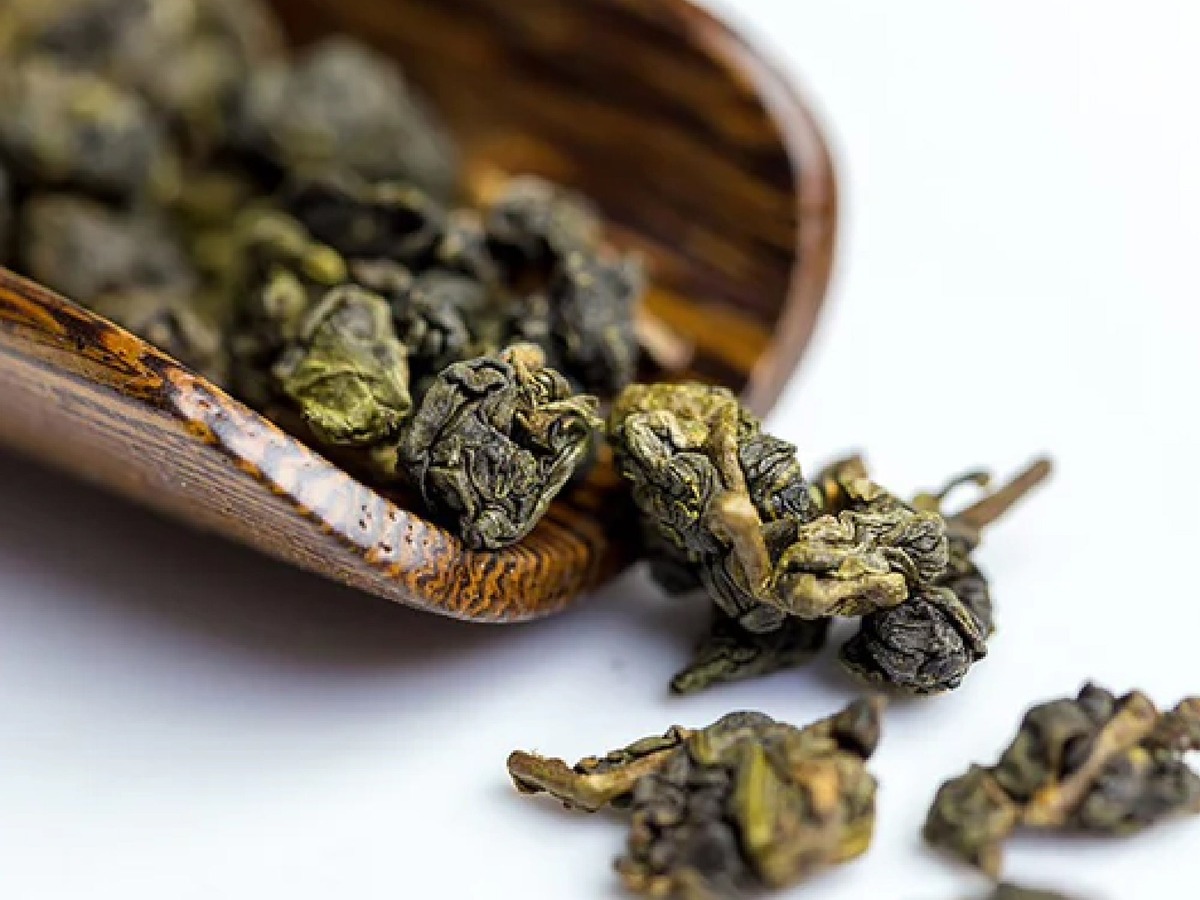
- Teagraphy’s Taiwanese oolong is cloth-rolled into a round shape so leaves unfurl slowly and can be infused more than once when you do have time.
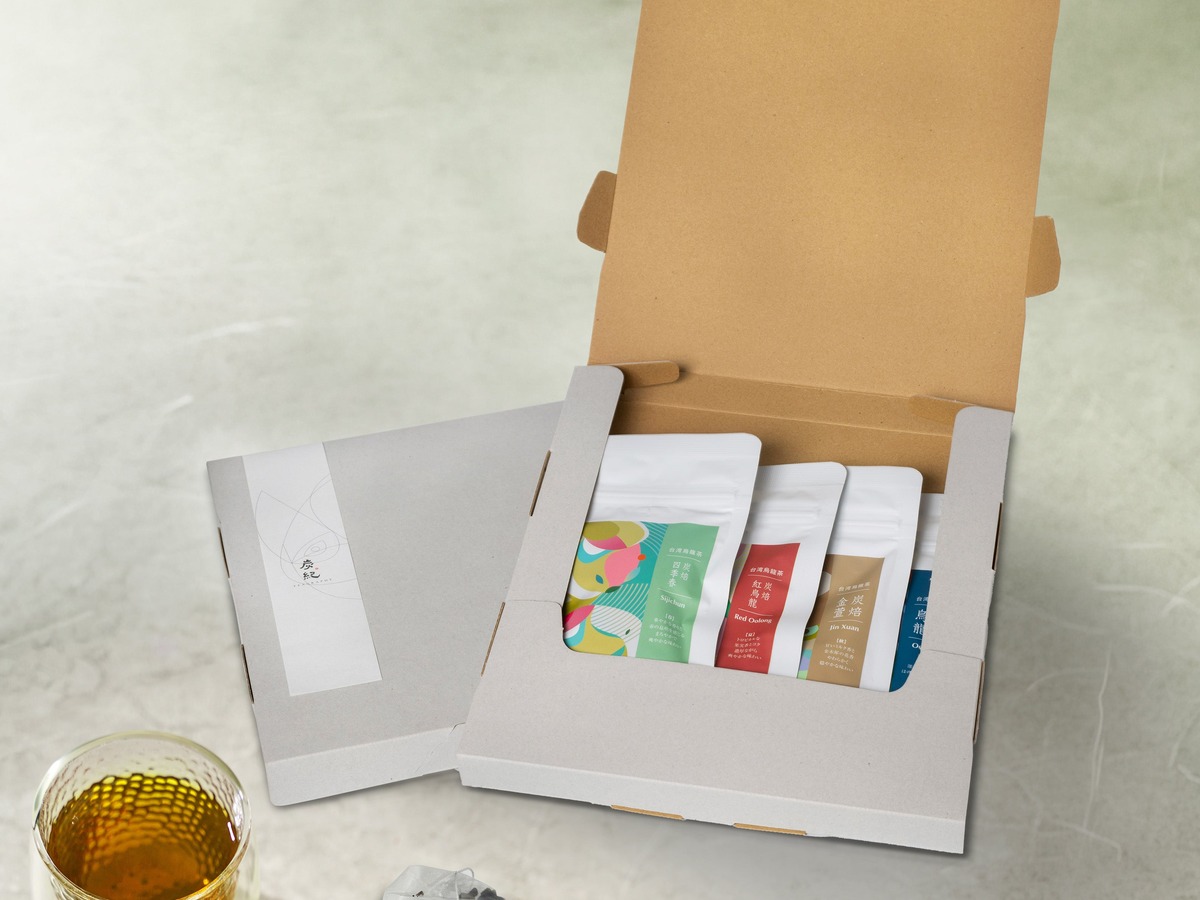
- On rushed days, Four Seasons tea bags still start from longan-charcoal hand roasting; the Japanese shop’s hot guide is one bag · 250 ml · 100°C · about 2 minutes.
- When you can spare a longer window, Cangui Guyun loose-leaf notes on the English shop are 95–100°C · 300 ml · 6–7 minutes so sweetness and throat-feel can arrive.
- Keep cans for weekends and bags for weeknights—same Nantou craft, two paces—so the ritual survives a crowded calendar.
A Taiwan tea ritual for busy days is a short, honest pause with real leaf—not a weekend-only ceremony. You do not need a full tray of tools; you need a cup, hot water, and charcoal-roasted Taiwanese oolong that still tastes like itself when your calendar is crowded.
Two paces, one craft
Teagraphy (炭紀) grows from Longhui Tea House in Songboling, Nantou—longan charcoal hand roasting since the family’s tea work began in the 1960s. That craft shows up in two everyday formats:
- Loose leaf (50 g cans or nitrogen-flushed whole-leaf sachets) when you can watch rolled leaves open.
- Tea bags when you want one clean cup without scales or a strainer.
Both start from the same insistence on charcoal. The difference is pace, not philosophy.
Busy-day cup: one bag, two minutes
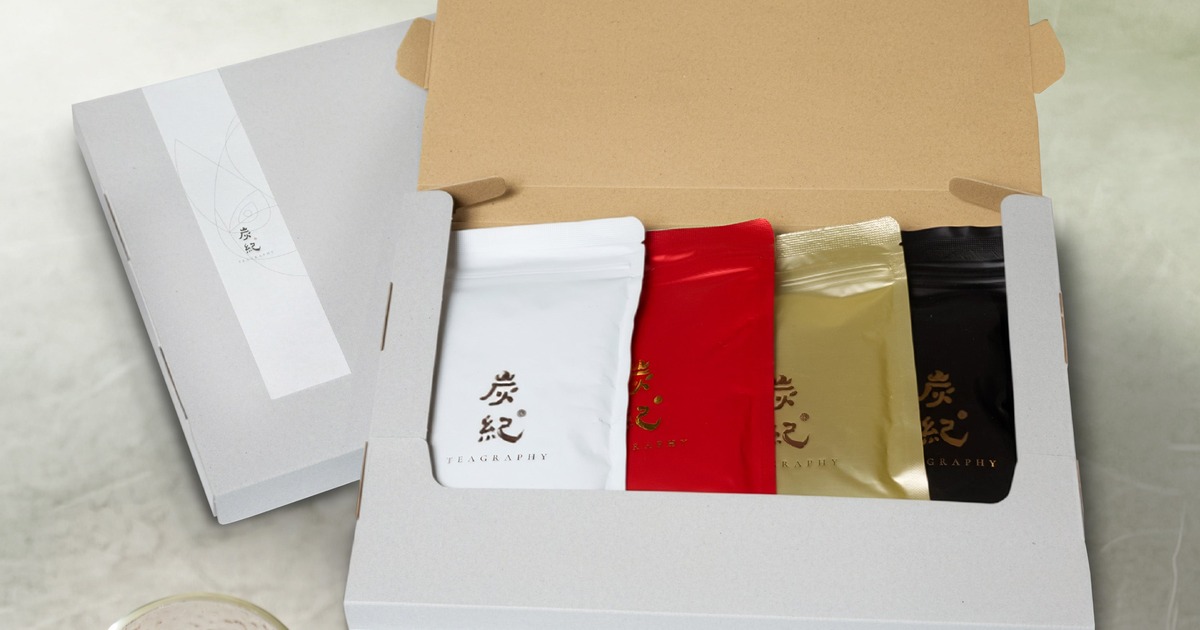
On weeknights, drop one Four Seasons tea bag, pour, wait. The Japanese shop prints a clear hot guide: one bag · 250 ml · 100°C · about 2 minutes (adjust to taste). Cold brew uses the same bag with 250 ml water for about five hours in the fridge or two hours at room temperature. That is ritual at desk height—still longan-charcoal oolong, just portioned for a mug.
Si Ji Chun, Red Oolong, Jin Xuan and Oolong give four moods in one box, so the “which tea?” decision stays light.
Slow-day cup: let the leaf finish speaking
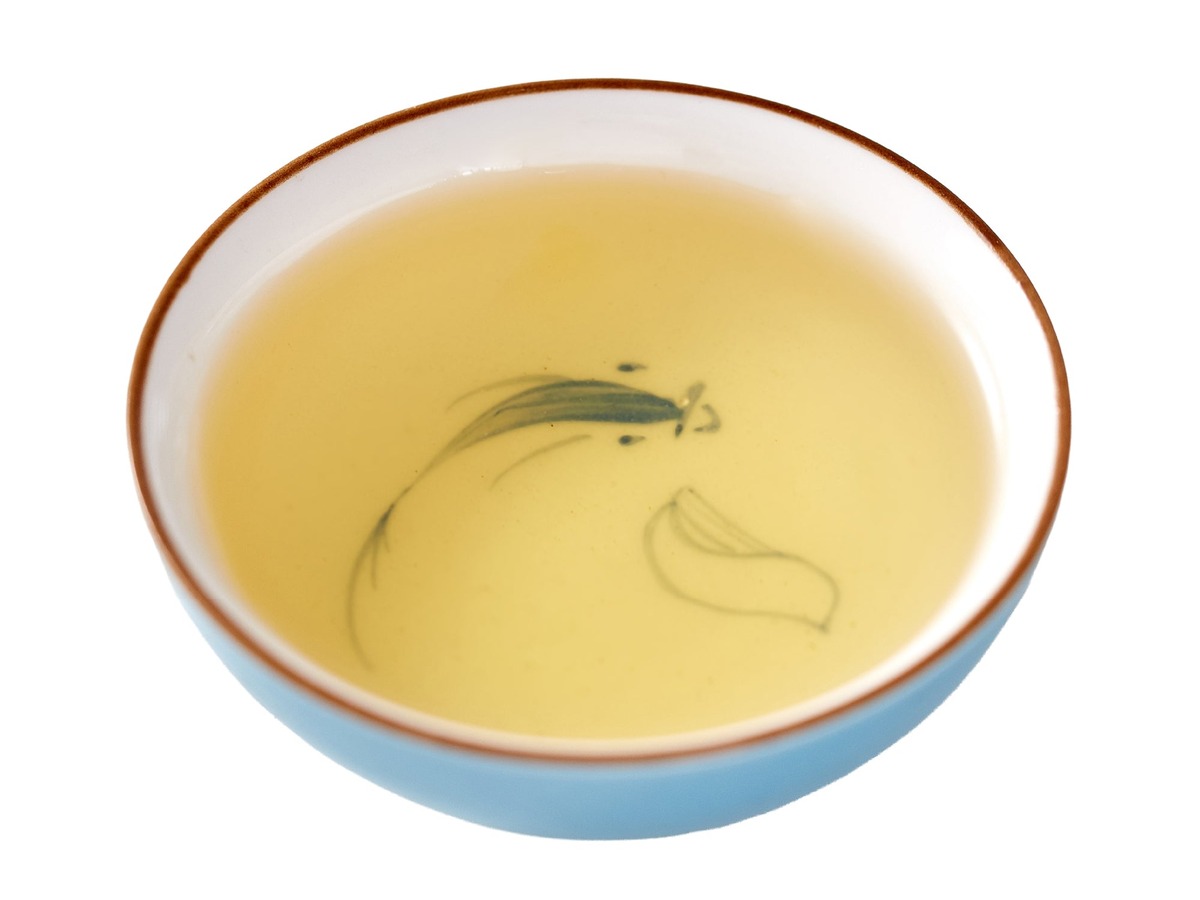
When the house is quiet, use whole leaf. Taiwanese processing cloth-rolls leaves into a round shape so they unfurl slowly and support more than one infusion. For Cangui Guyun on the English shop, the printed guide is roughly 95–100°C · 300 ml · 6–7 minutes. Give the full window; sweetness and throat-feel arrive late. After you drain the cup, the craft pages promise a lingering aroma in the empty vessel—another small ritual marker.
Keep bags in the drawer and a can on the shelf. The Taiwanese habit is not perfection; it is returning to leaf often enough that busy weeks still taste like home.
A weekly pattern that survives meetings
Try a simple Taiwanese rhythm without over-planning: tea bag on the two busiest weeknights; one longer loose-leaf steep on a morning or Sunday. Nantou’s climate story on the home page—wide day-night swings, afternoon fog, tender leaves with more umami amino acids—is background you can taste even in a short pause. You are not performing culture for an audience; you are borrowing a craft that already slowed down for you in the roasting room.
Customers on the English home page often mention fragrance across several infusions and cups that match the description when brewed as recommended. That feedback is the ritual working: leaf, water, time—scaled to the day you actually have.